
Acupuncture in Ottawa
Acupuncture & Traditional Chinese Medicine
Individualized acupuncture offered within naturopathic care—with a clear assessment, informed consent and a treatment plan shaped around your health priorities.
A Precise, Individualized Treatment
Acupuncture Is More Than Simply “Putting in Needles”
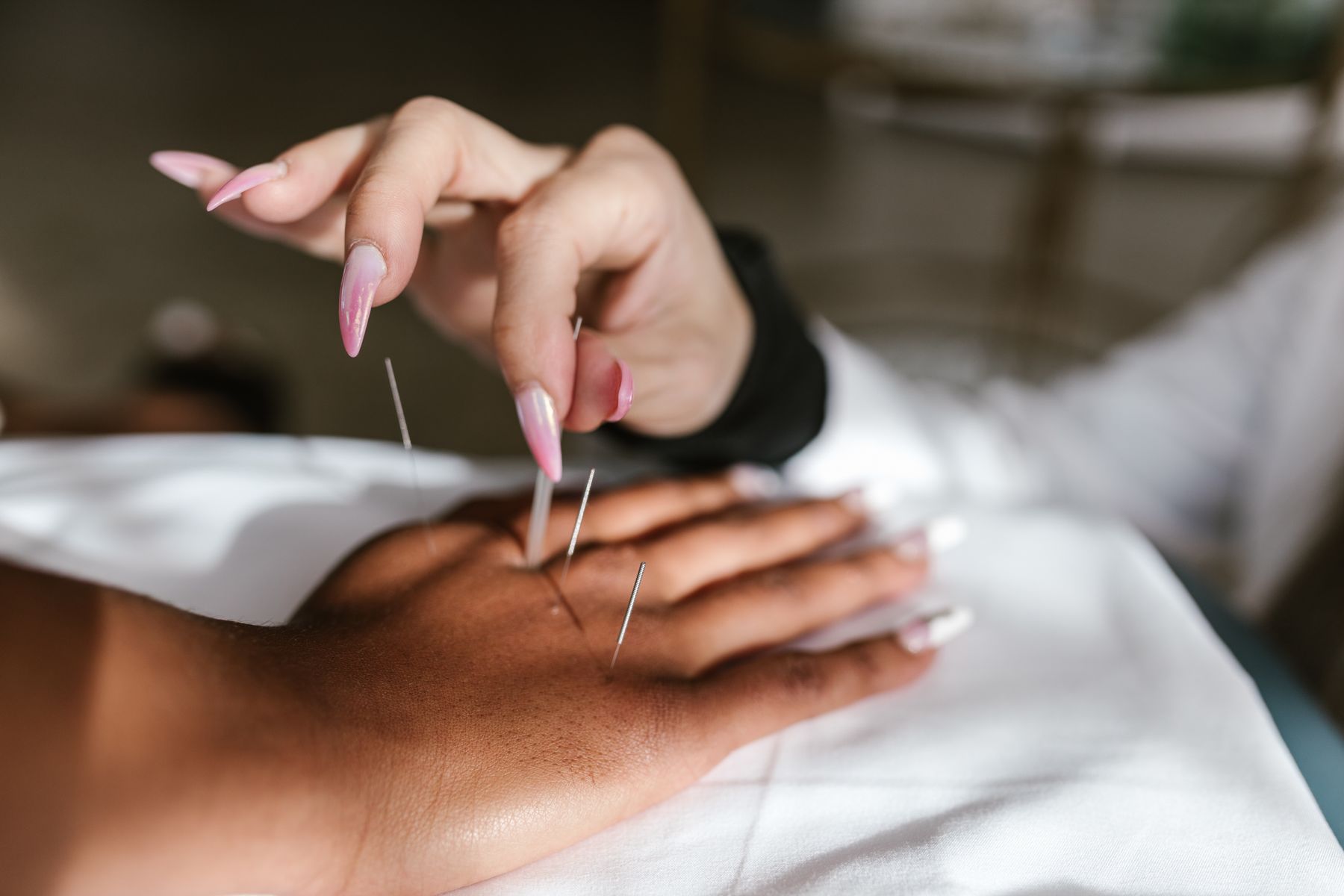
Acupuncture involves inserting and removing very fine, solid needles at selected points for therapeutic purposes. Point selection, positioning and treatment length are based on the individual assessment—not a universal chart for one symptom.
Dr. Rucha Rege, ND can incorporate acupuncture within a broader naturopathic plan or discuss it as a focused modality when appropriate. Your comfort, health history, goals and current care guide every session.
Traditional Chinese medicine offers one lens for understanding patterns and selecting points. Contemporary research also examines acupuncture’s effects through nervous-system, tissue and contextual mechanisms. The science is still evolving, and results vary by condition and individual.
No cure claims. No one-size-fits-all protocol.Why People Ask About Acupuncture
Concerns That May Be Discussed During Assessment
Acupuncture is not equally supported for every condition. Whether it belongs in your plan depends on the evidence, your health needs and your preferences.
Back, Neck & Musculoskeletal Pain
Acupuncture has been studied as a non-drug option for several pain conditions, including back, neck and knee osteoarthritis pain.
Headache & Migraine Patterns
Some people explore acupuncture as one part of a prevention or symptom-management plan alongside appropriate medical care.
Stress & Tension
A quiet treatment setting may support relaxation, while the wider plan considers sleep, workload, movement and mental-health care.
Sleep Concerns
Acupuncture may be considered as complementary support, but persistent insomnia or suspected sleep disorders need appropriate assessment.
Nausea & Supportive Care
Acupuncture has been studied for some forms of nausea. The cause and medical context must be considered before treatment.
Whole-Person Naturopathic Care
Acupuncture can be combined with nutrition and lifestyle counselling when several health priorities need to be considered together.
Your Appointment, Step by Step
What Happens During an Acupuncture Visit?
You remain part of the decision at every stage. Consent can be withdrawn at any time.
Conversation
Discuss symptoms, goals, health history, medications, previous experiences and any concerns about needles.
Assessment
Review whether acupuncture is appropriate, identify contraindications and decide whether referral is needed.
Positioning
Choose a comfortable position with appropriate draping and clear access only to the areas being treated.
Placement & Rest
Fine needles are placed at selected points. You rest while your comfort and response are monitored.
Removal & Review
Needles are removed, the session is documented and next steps are based on your response and treatment goals.
Comfort Matters
What Does Acupuncture Feel Like?
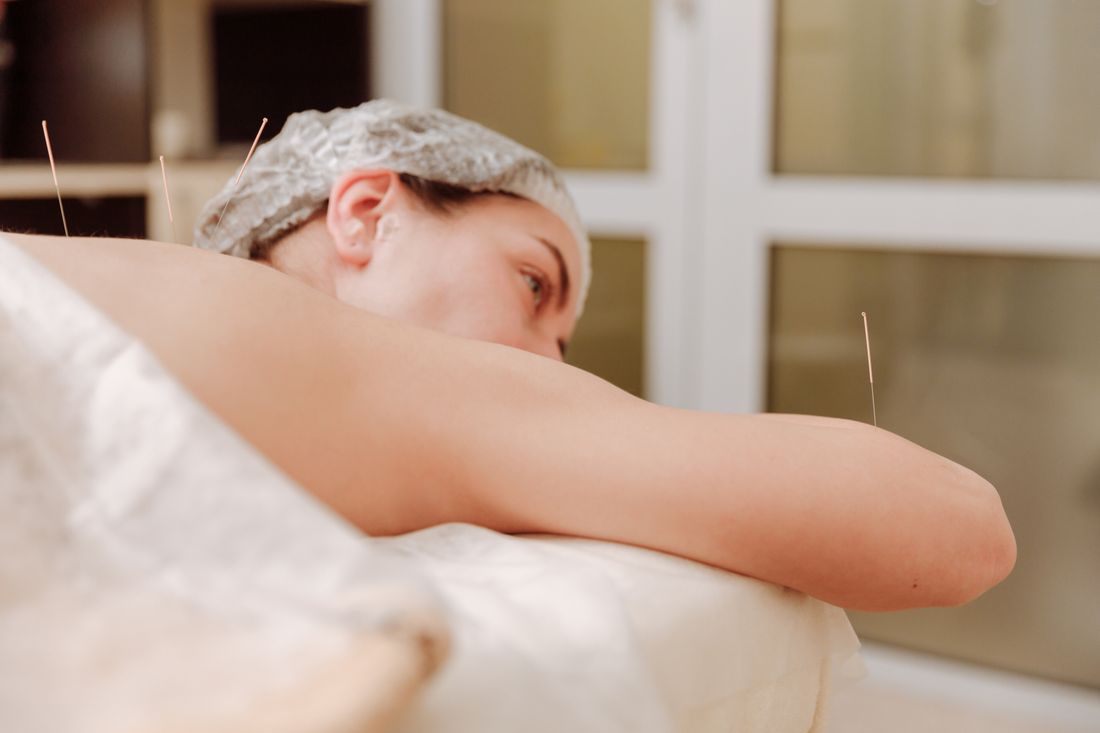
Acupuncture needles are much finer than needles used for injections or blood draws. Sensation varies by point and person. You may notice brief pressure, warmth, heaviness, tingling or a dull sensation; some points may feel more sensitive than others.
Treatment should not become a test of endurance. Tell Dr. Rucha immediately if you feel sharp, intense or concerning discomfort. Needles can be adjusted or removed, and choosing not to continue is always an option.
Care With Context
How Acupuncture Fits Into Naturopathic Practice
Acupuncture is one modality, not the entire plan. It should have a reason, a goal and a way to evaluate whether it is useful.
Begin With Assessment
Your history and current symptoms help determine whether acupuncture is suitable and whether something needs medical attention first.
Set a Practical Goal
Define what you hope will change—such as pain interference, headache frequency, function or another meaningful outcome.
Consider the Whole Plan
Acupuncture may accompany movement, sleep, nutrition, stress or medical strategies rather than replacing them.
Reassess the Response
Treatment frequency and continuation should depend on tolerability, progress, priorities and whether the approach remains appropriate.
Condition-Specific, Not Universal
Research Is Stronger for Some Uses Than Others
Acupuncture has been studied most extensively for pain. Evidence suggests potential benefit for certain pain conditions and headache prevention, while findings for many other concerns are mixed, limited or still developing.
Some improvement seen in research may relate to needling-specific effects, and some may relate to nonspecific factors such as expectations and the therapeutic context. Honest care acknowledges both the possibilities and the uncertainty.
Safety Before Technique
Your Health History Changes the Treatment
Acupuncture is generally considered safe when performed by a properly trained, regulated provider using appropriate infection-control and clinical procedures. It is not risk-free, and informed consent matters.
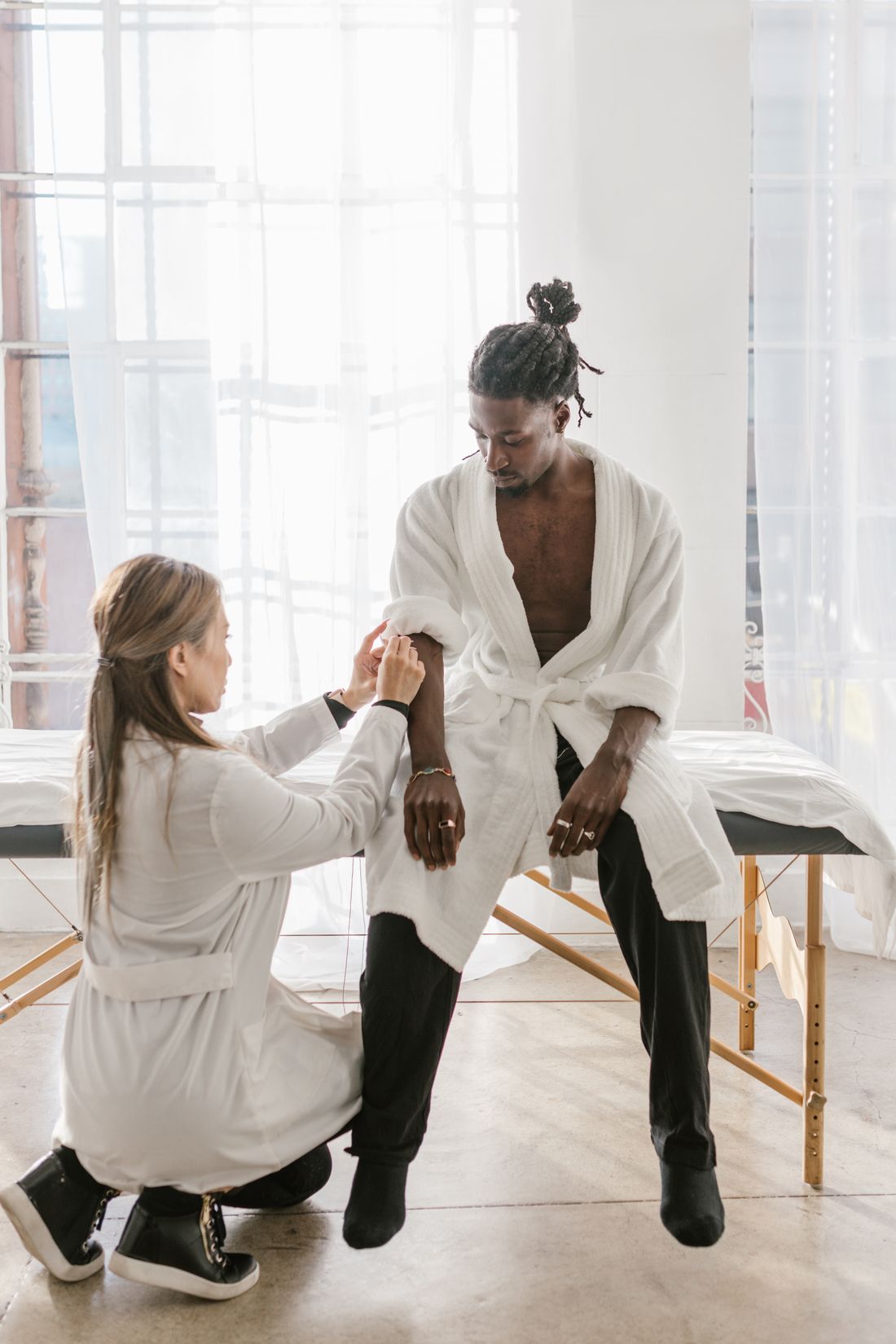
Tell Dr. Rucha about pregnancy or possible pregnancy, bleeding disorders, blood-thinning medication, implanted electrical devices, immune concerns, skin infection, fainting history and any major medical condition. Minor temporary effects can include soreness, bruising, light-headedness or a small amount of bleeding.
- Contraindications are assessed before treatment.
- Your comfort with needles is considered.
- Appropriate draping and privacy are maintained.
- Referral is recommended when acupuncture is not the right next step.
- New, severe or unexplained symptoms should not be masked or ignored.
Acupuncture Should Complement Needed Care—not Delay It.
Acupuncture is not a substitute for emergency care, appropriate diagnosis, prescribed treatment or medical monitoring. Seek prompt medical assessment for severe or sudden pain, weakness, numbness, loss of bladder or bowel control, chest pain, difficulty breathing, major injury or other urgent symptoms.
Acupuncture in Ottawa
Individualized Care for Ottawa and Nearby Communities
Dr. Rucha welcomes people considering acupuncture within naturopathic care from Ottawa and surrounding communities. Use the booking system to confirm current appointment options and discuss whether acupuncture may suit your needs.
- Ottawa
- Kanata
- Nepean
- Barrhaven
- Stittsville
- Manotick
Acupuncture FAQs
Questions About Acupuncture and Naturopathic Care
Clear answers for people searching for acupuncture in Ottawa.